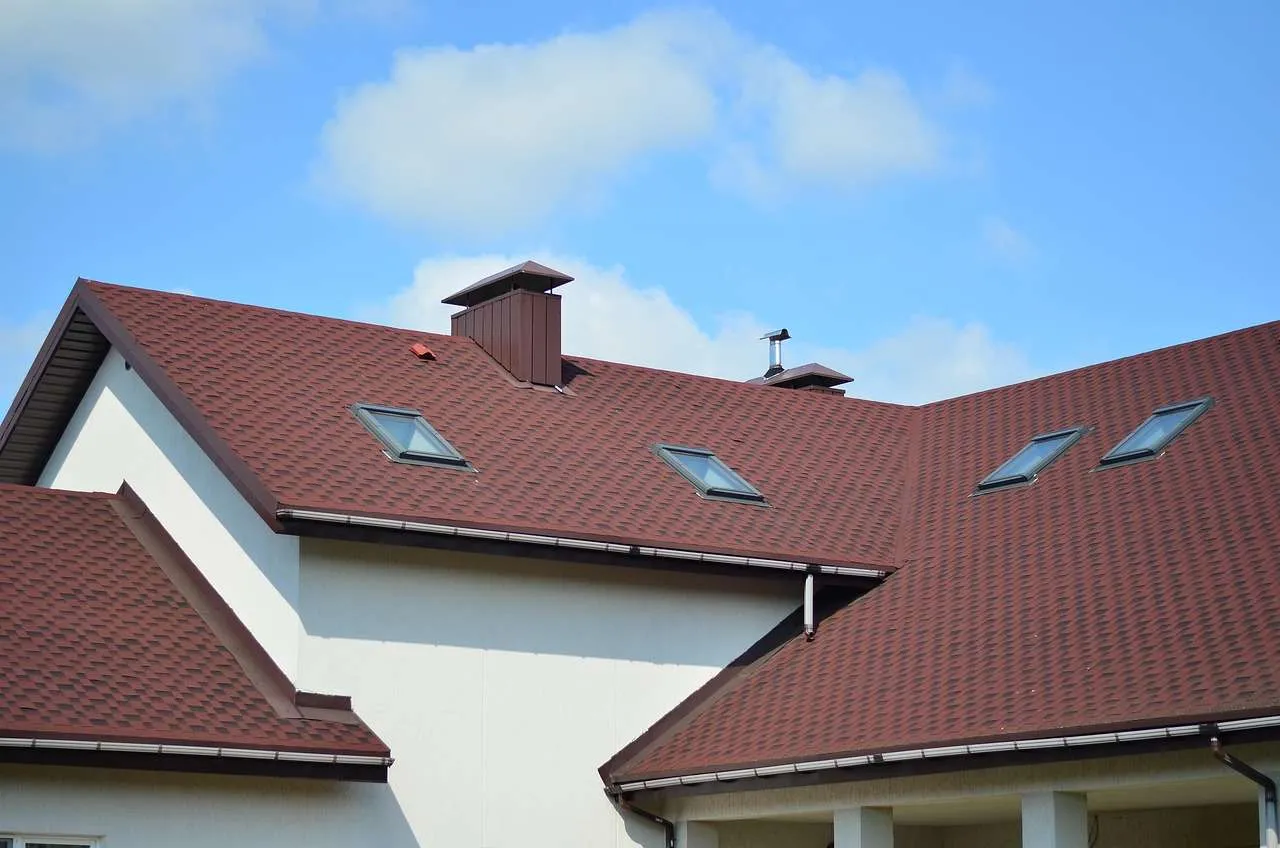
Repairing a damaged roof is a priority for homeowners who want to protect their home and avoid bigger costs later. The repair of roofing can range from a simple patch to structural fixes. This guide explains the signs that you need repair, common methods, when to hire a professional, cost ranges, and maintenance tips. Written with safety and best practices in mind, it reflects the EEAT principles by focusing on credible approaches and professional standards.
Key Signs That Your Roof Needs Repair
- Water stains on ceilings or walls, especially after rain
- Missing, curling, or cracked shingles that expose the underlayment
- A ridge line that appears lifted or warped decking visible in the attic
- Granules collecting in gutters or at the edge of the roof
- Peeling paint or softened fascia boards indicating moisture intrusion
Repair Techniques and Best Practices
Minor Repairs vs Major Repairs
Minor repairs target localized issues such as a small leak, isolated damaged shingles, or a compromised flashing segment. Major repairs address broader damage, including extensive flashing work, multiple leaks, or decking repair. The distinction affects cost, timeline, and whether a patch or full replacement is warranted.
Common Techniques
Techniques vary by roof type and damage. Typical approaches include patching a small area with matching shingles or membrane, resealing nail penetrations with compatible sealants, repairing or replacing flashing around chimneys and vents, and reinforcing valleys. In metal or flat roofs, patching or membrane repairs are common. When dealing with damaged decking, replacement of sections may be necessary to restore structural integrity.
Materials and Compatibility
Choose materials that match or complement the existing roof to maintain performance and curb appeal. Shingles come in various asphalt, metal, tile, and composite options. Ensure compatibility with underlayment, ventilation, and warranty requirements. Using manufacturer-approved products helps preserve warranties and roof longevity.
DIY vs Hiring a Professional
Minor maintenance tasks such as gutter cleaning or debris removal can be safe for a knowledgeable homeowner with proper protective gear. However, roof repairs involve height, pitch, and potential structural risks. For steep slopes, damaged decking, or significant flashing failures, hire a licensed roofing contractor. A professional provides safety guarantees, access to insured workmanship, and adherence to local codes and permits. Always request written estimates, verify licenses and insurance, and confirm any warranties on materials and labor.
Cost Considerations and Budgeting
Costs depend on the extent of damage, roof type, accessibility, and labor rates. Typical ranges include minor repairs, flashing fixes, and decking work. On average, minor roof repairs can cost between $150 and $450, while more extensive repairs range from $400 to $2,000. Full roof replacement is a separate consideration and is often priced from $5,000 to $12,000 or more depending on materials and roof size. The table below provides a concise summary of common repair scenarios and costs.
| Repair Type | What It Covers | Typical Cost |
|---|---|---|
| Minor repair | Localized leaks, small shingle or flashing fixes | $150 - $450 |
| Major repair | Extensive leaks, multiple flashing issues, damaged decking | $400 - $2,000 |
| Roof replacement | Widespread damage or aged roof | $5,000 - $12,000+ |
Maintenance Tips to Extend Roof Life
- Schedule annual or biannual roof inspections, especially after severe weather
- Keep gutters clear of leaves and debris to prevent water backup
- Trim overhanging branches that could rub or damage shingles
- Ensure attic ventilation and insulation are adequate to prevent ice dams
- Address any signs of moisture promptly to avoid rot and mold
Conclusion
Conclusion, proactive roofing repair protects your home, reduces the risk of interior damage, and can save money over time. Start with a professional assessment for complex issues, use appropriate repair methods, and choose high quality materials. Prioritize safety, verify warranties, and maintain regular inspections to maximize the lifespan of your roof.