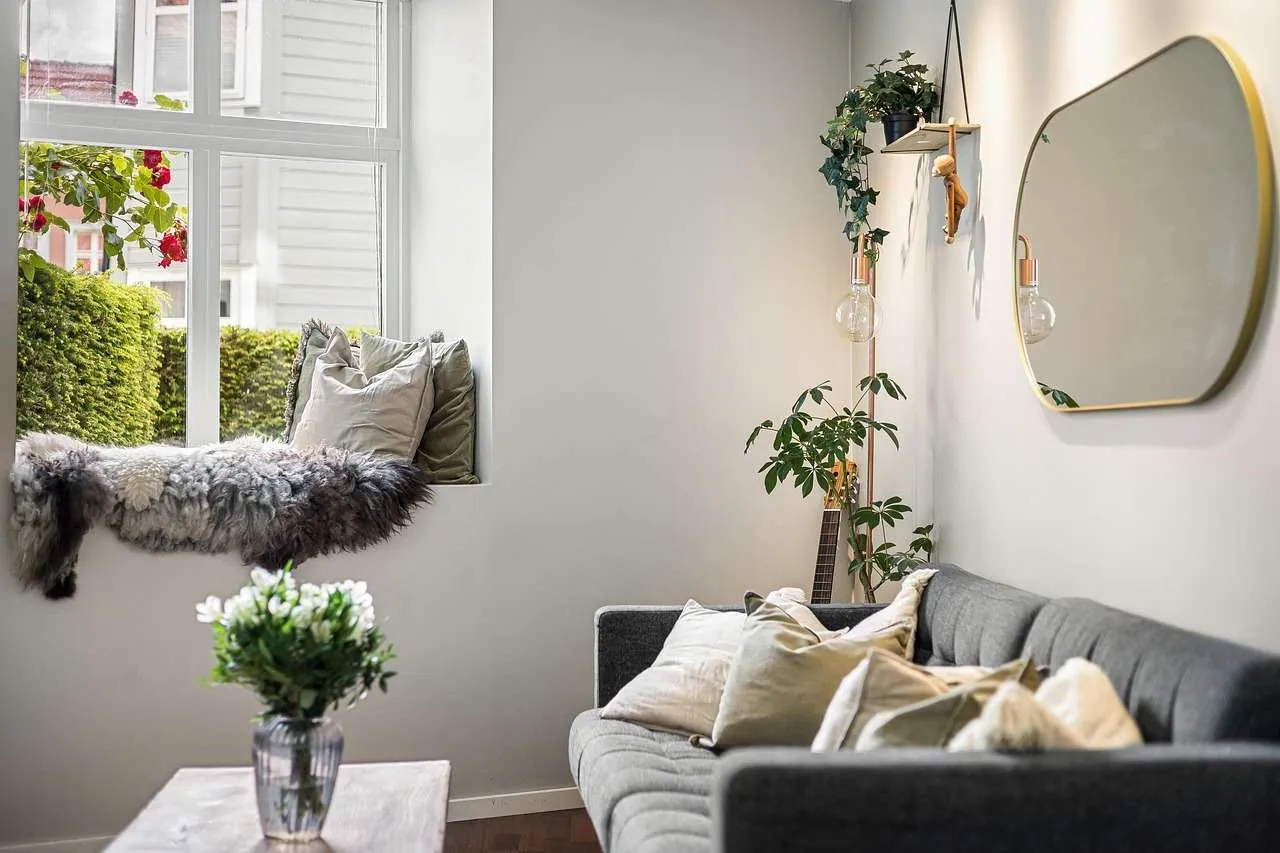
Home window tinting refers to applying a thin film to the interior or exterior surface of windows to reduce heat, glare, and UV exposure. For homeowners, it can improve comfort, protect furnishings, and lower energy bills. In this article, we cover what to know before tinting, the options available, and how to choose a trusted installer to meet EEAT standards.
Benefits of Home Window Tinting
Tinted windows can significantly improve indoor comfort by reducing solar heat gain and glare. This helps maintain cooler living spaces during hot days and keeps furniture, carpets, and artwork from fading due to ultraviolet (UV) exposure. Privacy is another practical benefit; you can enjoy daylight without sacrificing interior visibility from inside. Some high-quality films also add shatter resistance, enhancing safety for households with children or in earthquake-prone areas. Additionally, by lowering heat transfer, tinting can contribute to energy savings and may reduce wear on HVAC systems, extending equipment life and potentially lowering utility costs.
Types of Window Tint Films
There are several film technologies with different performance characteristics. Here are the most common options used in residential settings.
Dyed window films
Dyed films are the lowest cost option and create a dark, uniform appearance. They provide privacy and some glare control but offer modest heat rejection and can fade over time with prolonged sun exposure.
Metalized window films
Metalized films reflect a portion of the sun's heat and can offer stronger glare control. They may cause interference with electronics and can have a metallic look, which some homeowners prefer or dislike. They are typically durable and budget-friendly for mid-range projects.
Ceramic window films
Ceramic films use non-conductive particles to reject heat while preserving color and clarity. They offer excellent heat rejection, minimal signal interference, and high durability, making them a premium choice for comfort and efficiency.
Carbon window films
Carbon films reduce infrared heat and typically have a neutral color that does not appear purple or blue. They offer good heat rejection, lower reflectivity, and resistance to fading, delivering a balanced option between cost and performance.
Reflective or mirror films
Reflective films appear mirror-like on the exterior, providing strong daytime privacy and heat rejection. They can be highly effective but may be restricted by local laws and can reduce visibility from the outside at night.
Choosing and Hiring a Professional
For most homeowners, hiring a licensed, insured professional is the best way to achieve consistent results. Look for certifications, a solid portfolio, customer testimonials, and clear warranties. Ask about room-by-room shade preferences, film warranty length, and whether the installer offers a guarantee on glass adhesion and edge sealing. If you choose to do it yourself, ensure you have the right tools, a clean workspace, and an understanding of local codes and safety practices. Professional installation usually yields better long-term performance and reduces the risk of air bubbles, peeling, or improper edge sealing.
Maintenance and Compliance
Maintaining tinted windows is simple: clean the film with a soft cloth and mild cleaner, avoid abrasive products, and never use ammonia-based cleaners on laminated films. Check local regulations on tint darkness and reflectivity, as some jurisdictions restrict front-side tint levels or require signage or permits. A reputable installer will help you select compliant shades that meet both aesthetic goals and legal requirements.
Comparison of Common Tint Films
| Film Type | Pros | Cons | Best Use |
|---|---|---|---|
| Dyed | Low cost; privacy; basic glare control | Prone to fading; modest heat rejection | Budget upgrades and privacy |
| Metalized | Excellent heat rejection; strong glare control | Potential electronics interference; visible sheen | Energy savings in sunny rooms |
| Ceramic | Top heat rejection; non-conductive; clear view | Higher upfront cost | High-performance comfort and longevity |
| Carbon | Neutral color; good heat rejection; lower reflectivity | Mid to high price | Balanced performance with aesthetics |
| Reflective | High heat rejection; strong daytime privacy | May be restricted by law; night visibility reduced | Bright, sunny areas with strong glare |
Conclusion, by understanding the options and working with a qualified installer, you can choose a home window tinting solution that improves comfort, protects interiors, and adds energy efficiency without compromising safety or compliance. Start by defining your goals—privacy, heat reduction, UV protection—and then compare film types, warranties, and installation practices. A thoughtful approach will deliver long-term value for your home and its occupants.