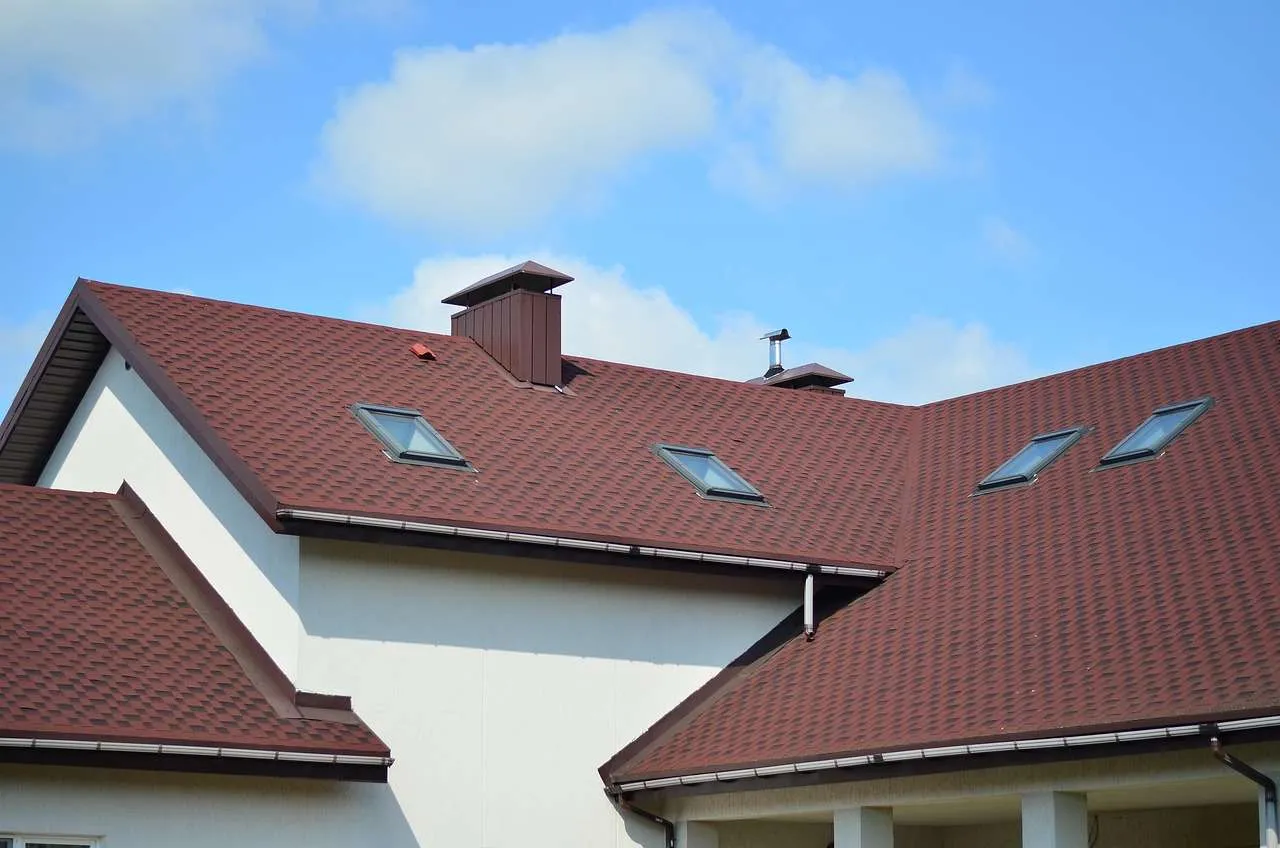
Roofing protects homes from weather, preserves energy efficiency, and sustains property value. This guide on roofing and roof repairs delivers expert, evidence-backed guidance for homeowners, including maintenance practices, contractor selection, and decision frameworks to balance short-term costs with long-term results.
Understanding Roofing: Materials and Systems
A standard pitched roof consists of a deck, underlayment, flashing, vents, and finishing materials. The right combination depends on climate, budget, and aesthetics. A well-installed system offers weather resistance, proper ventilation, and energy efficiency.
Popular Roofing Materials
- Asphalt shingles — affordable and widely used
- Metal roofing — durable, fire resistant, and energy efficient
- Clay or concrete tiles — long-lasting with distinctive appearance
- Composite or single-ply membranes — modern flat or low-slope options
Signs You Need Roof Repairs
Look for visible leaks in ceilings, dark streaks, curling or missing shingles, granules in gutters, daylight in the attic, or unusual attic moisture. Storms and temperature swings accelerate wear, making early detection critical for cost control.
Choosing a Roofing Contractor
Expertise, licensing, insurance, warranties, and transparent pricing are essential. A reputable contractor provides detailed written estimates, project scope, and a clear timeline. Check online reviews and ask for recent project photos or references.
Questions to Ask Before Hiring
- Are you licensed and insured for this work?
- Do you provide written estimates and warranties?
- Can you share references or photos of similar projects?
- What is the anticipated timeline and cleanup plan?
DIY vs Professional: Safety and Limits
Roof work is hazardous and subject to local codes. Roof repairs that involve flashing, structural components, or significant height should be performed by trained professionals to protect safety, warranties, and code compliance.
Repair vs Replacement: A Practical Guide
Damage extent, roof age, and budget determine the best path. Localized issues with good structural support favor repairs; widespread damage or aging near the end of life often warrants replacement. Consult a licensed roofer to estimate costs and benefits.
| Aspect | Roof Repairs | Roof Replacement |
|---|---|---|
| Typical Cost | Lower upfront, may require future patches | Higher upfront, covers system-wide renewal |
| Lifespan Extension | Extends life of damaged area | Restores full system life |
| Disruption | Less disruption, shorter work window | More disruption, longer installation |
| Energy Efficiency | Limited impact | Potential improvements with insulation/ventilation |
| When It Fits | Localized damage, sound structure | Extensive damage or aging roof |
Regular maintenance reduces the frequency and cost of repairs. Schedule annual or after-storm inspections, clean gutters, and ensure attic ventilation and insulation are adequate to prevent heat and moisture damage.
Maintenance and Preventive Care
Preventive care includes removing debris, trimming branches, inspecting flashing, and confirming attic airflow. A proactive approach helps catch issues early and extends roof life.
Conclusion
Conclusion, timely repairs and smart contractor selection save money, preserve comfort, and extend roof life. By recognizing early signs, verifying credentials, and weighing repairs versus replacement, homeowners protect property value and enjoy long-term peace of mind.